Studies Show Saxenda Can Boost Weight Loss With Exercise
The prevalence of obesity in the United States has risen to a staggering 40%. As a result, complications related to obesity, such as diabetes, heart diseases, and certain cancers are also on the rise. If left unchecked, these complications can all lead to a lowered life expectancy.
Our bodies try to hold on to excess fat which makes weight loss challenging. Quick weight-loss schemes will unlikely provide results and often lead to frustration.
In 2010, a medication called Victoza, prescribed to help adults with type 2 diabetes mellitus in improving glycemic control, also contained an active component called liraglutide.
Liraglutide, a glucagon-like-peptide-1(GLP-1) analogue, in larger doses, has become an effective treatment for adults battling obesity.
In 2012, a breakthrough drug would be prescribed by doctors containing a higher dose of liraglutide for weight loss only.
What Is Saxenda?
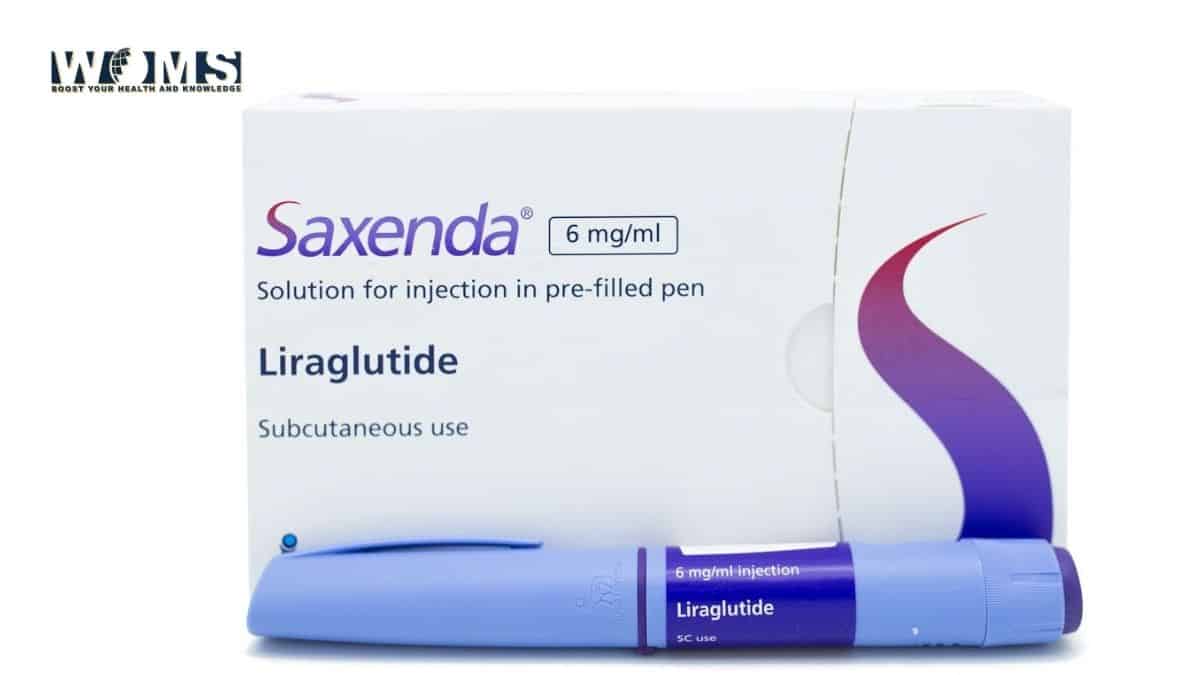
Saxenda, a brand containing liraglutide, was developed by drug manufacturers called Novo Nordisk. It is commonly prescribed by doctors to help patients struggling with weight management.
Similar to Victoza, Saxenda is administered daily through an injectable pen. It contains a higher dose of 3.0 mg of liraglutide, which is almost twice that of Victoza.
In addition, this medication helps beta cells normalize blood sugar that causes the body to produce and release insulin. It’s also beneficial for patients with type 2 diabetes in regulating blood sugar.
In combination with exercise and diet, Saxenda has proven to be significantly helpful for patients to finally drop their unwanted weight. It mimics the action of the appetite hormone GLP-1 that tells your brain you’re full.
Results can vary depending on whether the patients are willing to stick to a diet and exercise program. Several studies have concluded that patients who used Saxenda (liraglutide) have lost a considerable amount of weight more than those who just took a placebo.
Clinical Evidence for Weight Loss With Liraglutide
In a study performed by the University of Copenhagen in Denmark, they found that adult subjects who were given 3mg of liraglutide a day and followed a moderate-to-vigorous exercise regimen saw greater results (21 lbs. in 1 year) in comparison to those who were on the placebo with regular activity (P<0.001).
The study consisted of 195 participants between the ages of 18-65 with obesity. Those with diabetes were excluded from the study.
The side effects from participants taking liraglutide included nausea and diarrhea.
Throughout the study, participants were put on exercise and diet plans depending on their group.
- Exercise-alone group: Lost 9 lbs.
- Liraglutide-alone group: Lost 15 lbs.
- Exercise + Liraglutide: Lost 21 lbs.
In examining the results from three groups in the study, the group that observed the combination of exercise and liraglutide lost 12 pounds more than the group on exercise alone. The group on liraglutide alone also lost more than the exercise-alone group.
Studies On Saxenda
In 2014, the U.S. Food and Drug Administration (FDA) approved Saxenda (liraglutide 3 mg) as a prescription medication for chronic weight management in adults with obesity (BMI of 30 or higher) or overweight individuals (BMI of 27 or higher) who also have at least one weight-related medical condition, such as high blood pressure, type 2 diabetes, or high cholesterol.
FDA approval for adults was based on several large randomized, placebo-controlled clinical trials involving thousands of participants. These studies evaluated the safety and effectiveness of liraglutide 3 mg when combined with reduced-calorie diets and increased physical activity.
The results of the study found that not only did the participants who use Saxenda significantly lost more weight than the placebo group, but lost an average of 2.65% of their body weight.
From this trial, side effects reported by patients included dizziness, diarrhea, nausea, vomiting, and fever.
Using 3.0 mg of liraglutide once a day in combination with diet and exercise has shown to provide significant weight loss in overweight or obese individuals. In addition, patients also saw reductions in glycemic variables, multiple cardiometabolic risk factors, and an overall improvement in quality of life.
Saxenda Improves Glycemic Control
Other studies have shown that on average, those who use Saxenda lost 5-7% of their overall body weight. One out of four people lost over 10% of their body weight.
It was discovered that many participants who had diabetes and prediabetes in the Saxenda trials had improved glycemic control.
Some studies found that participants with prediabetes experienced improvements in blood sugar control and were more likely to return to normal glucose levels compared with placebo groups. Individual results varied, and ongoing medical monitoring remained important.
How Does Saxenda Work?
Saxenda contains liraglutide, a glucagon-like peptide-1 (GLP-1) receptor agonist. It works by mimicking a naturally occurring hormone involved in appetite regulation. By slowing stomach emptying and increasing feelings of fullness, Saxenda can help people eat fewer calories and support long-term weight management when combined with lifestyle changes.
Saxenda Side Effects
Like any medication, side effects may occur. Common side effects from taking Saxenda may include:
- Abdominal pain
- Bloating
- Dry mouth
- Changes in taste
- Anxiety
- Insomnia
- Headaches
- Gas
- Weakness (lack of energy)
- Injection site reactions
- Diarrhea
- Decreased Appetite
- Dizziness
- Fatigue
- Indigestion
- Nausea
- Vomiting
- Constipation
Notify your doctor if you experience any of the following side effects:
- Racing heartbeat or heart palpitations
- Suicidal thoughts or change in mood or behavior
- Dehydration symptoms
- Low blood sugar
- Pancreas or gallbladder issues
- Signs of thyroid tumor
Who May Be a Candidate for Saxenda?
Saxenda is generally prescribed for adults with obesity or overweight individuals who have weight-related health conditions and have not achieved sufficient results through lifestyle changes alone.
Eligibility, expected benefits, and potential risks should always be discussed with a qualified healthcare professional before starting treatment.
Who Should Not Use Saxenda
- Those who are pregnant or breastfeeding
- Those who have had serious adverse reactions to liraglutide in the past
- Have personal or family history of multiple endocrine neoplasia syndrome type 2 (MEN 2) or medullary thyroid carcinoma (MTC)
- If you are already taking another GLP-1 receptor agonist
- If you are using insulin
- If you are currently taking Victoza
Cost Of Saxenda
The cost of Saxenda varies significantly depending on location, insurance coverage, pharmacy pricing, and available manufacturer assistance programs.
Because medication prices frequently change, patients should check with local pharmacies, insurance providers, or the manufacturer for the most current pricing information.
If cost is a concern, speak with your healthcare provider about available alternatives, patient assistance programs, or other weight-management medications that may be appropriate.
Frequently Asked Questions
Can Saxenda be used without diet and exercise?
Saxenda is intended to be used alongside a reduced-calorie diet and increased physical activity. Clinical studies have generally shown better results when lifestyle changes are included.
How much weight can people lose with Saxenda?
Weight loss varies from person to person. Clinical studies have reported average weight loss ranging from approximately 5% to 10% of starting body weight in many patients who continued treatment and lifestyle changes.
Is Saxenda the same as Ozempic?
No. Although both medications belong to the GLP-1 receptor agonist class, they contain different active ingredients and have different approved uses.
Conclusion
With a reduced-calorie diet and exercise, Saxenda is a medication that can help individuals lose and maintain a considerable amount of body weight.
Saxenda should only be prescribed and monitored under the guidance of a doctor.