Does charcoal floss help with teeth whitening?
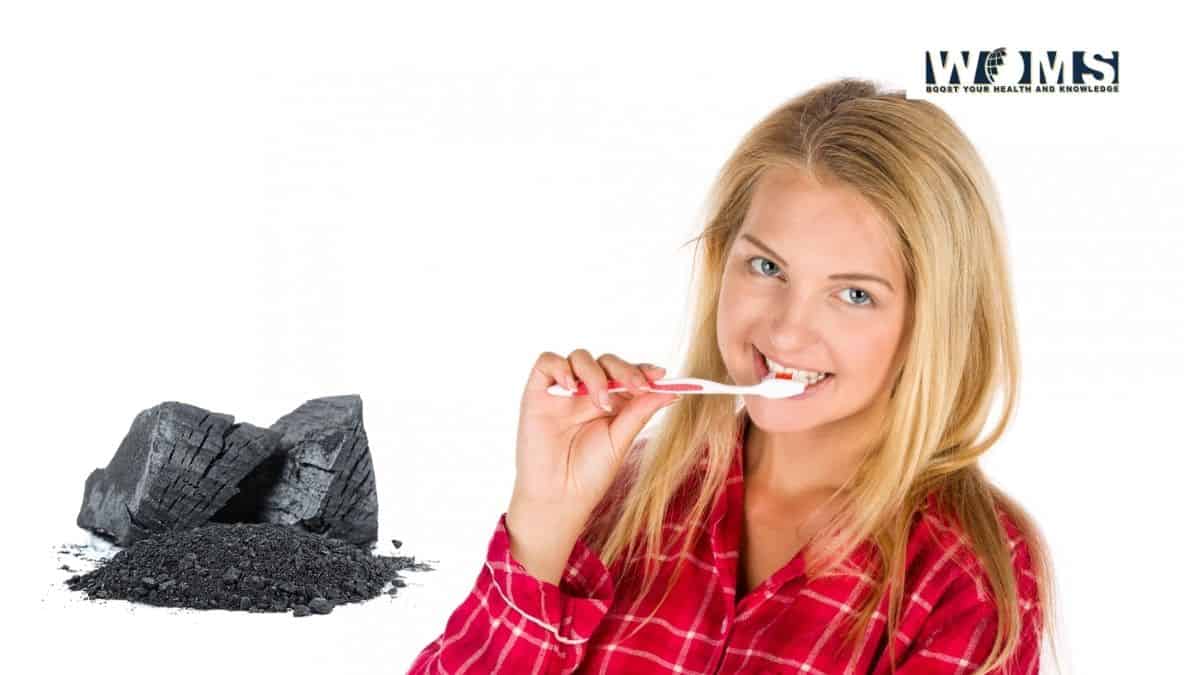
Activated charcoal has become a popular ingredient in many oral care products, including toothpaste, floss, and mouth rinses. Supporters claim that activated charcoal may help remove surface stains from teeth and improve the appearance of a smile.
However, scientific evidence regarding the long-term benefits and safety of charcoal-based dental products remains limited. While some people choose charcoal floss as part of their oral hygiene routine, it should not replace proven oral care practices such as brushing with fluoride toothpaste, flossing regularly, and routine dental checkups.
How charcoal helps with teeth whitening
Although using charcoal floss may seem strange to you, this all-natural product has detoxification properties, teeth whitening abilities, and stain removing characteristics. See how using this new product on the health scene can help improve your smile and gum health.
May Support Oral Hygiene
Flossing is an important part of oral hygiene because it helps remove food particles and plaque from areas that a toothbrush may not reach effectively.
Some charcoal floss products are marketed as helping remove surface stains from teeth. However, research specifically evaluating charcoal floss remains limited, and any whitening effect is likely to be modest compared with professional dental treatments or evidence-based whitening products.
One practical advantage of black-colored floss is that some users find it easier to see debris removed from between the teeth during flossing.
May Help Maintain a Clean Oral Environment
Regular flossing can help reduce plaque buildup between teeth, which is an important part of cavity prevention and gum health.
However, there is currently limited evidence that activated charcoal floss itself prevents cavities more effectively than traditional dental floss. Consistent oral hygiene habits remain the most important factor.
Supports Gum Health
Healthy gums play an important role in overall oral health. Regular brushing, flossing, and professional dental care can help reduce plaque accumulation and support healthy gum tissue.
While maintaining good oral health is important for overall well-being, there is insufficient evidence that charcoal floss directly boosts immunity or prevents systemic diseases.
Is Activated Charcoal Floss Safe?
Activated charcoal is commonly used in a variety of consumer products. However, dental experts continue to evaluate the long-term safety and effectiveness of charcoal-containing oral care products.
People with sensitive teeth, gum disease, or other oral health concerns should speak with a dentist before making significant changes to their oral care routine.
What Are the Limitations of Charcoal Floss?
Although charcoal floss has gained popularity, current research specifically evaluating charcoal floss is limited.
It is important to remember that flossing technique and consistency are likely more important than the type of floss used. People should choose a floss they are comfortable using regularly and correctly.
Zero-waste
Since charcoal uses only natural ingredients without added chemicals or fluorides, it helps boost the health of your body and mouth. By choosing charcoal floss made with natural bamboo, you will not only improve your own oral health, but benefit the environment as well.
Regular waxed nylon dental floss can take up to 80 years to decompose, whereas bamboo and charcoal floss takes significantly less time to break down.
Frequently Asked Questions
Does charcoal floss whiten teeth?
Charcoal floss may help remove some surface debris, but evidence supporting significant teeth whitening effects is limited.
Is charcoal floss better than regular floss?
Current evidence does not show that charcoal floss is superior to traditional dental floss for preventing cavities or gum disease.
Can charcoal floss replace brushing?
No. Flossing and brushing serve different purposes and should be used together as part of a complete oral hygiene routine.
Conclusion
Charcoal floss may be an appealing option for people looking for an alternative to traditional dental floss, particularly if they prefer natural or environmentally conscious products.
However, evidence supporting claims related to teeth whitening, cavity prevention, and broader health benefits remains limited. The most important factors for maintaining oral health continue to be regular brushing, daily flossing, healthy lifestyle habits, and routine dental visits.
If you are considering charcoal-based oral care products, speak with your dentist to determine whether they are appropriate for your individual needs.