The Hidden Impact of Overlooked Cleanliness in Restaurants
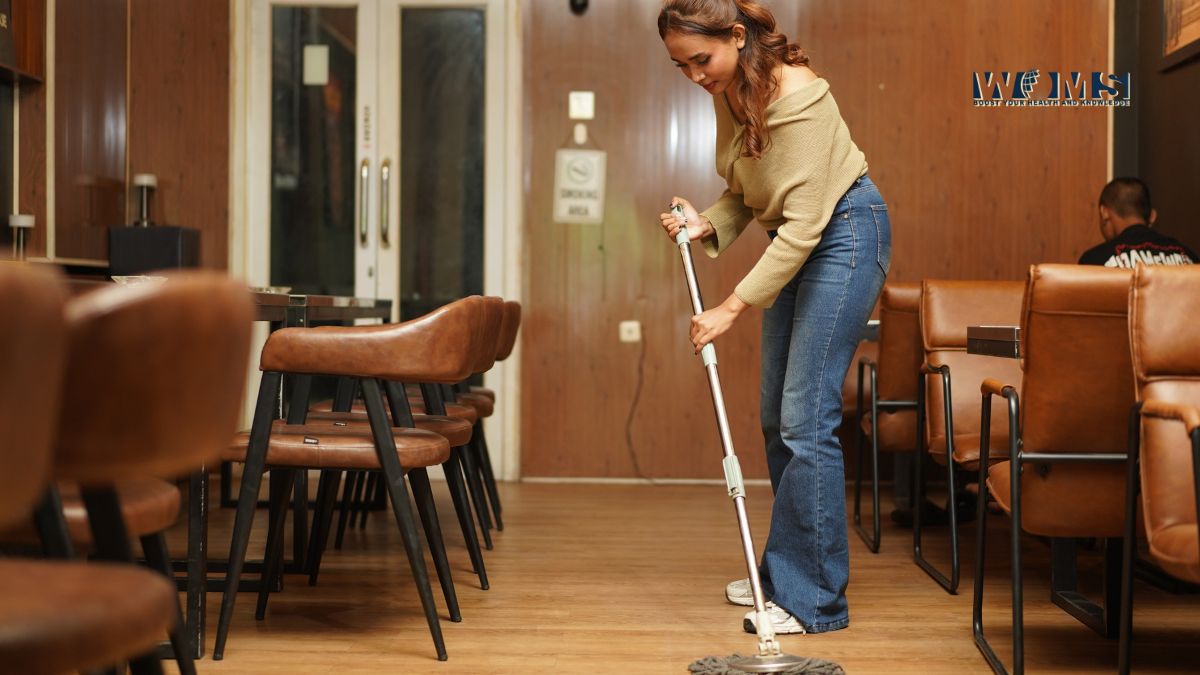
Cleanliness in restaurants is often treated as a basic, visible task. Floors get cleaned, counters are wiped down, and restrooms are restocked. However, behind these routine actions is a deeper system of risk that can quickly escalate if not properly managed, affecting both a restaurant’s reputation and the well-being of its customers.
Every restaurant encounters cleanliness challenges, but the way those issues are handled often determines whether a business maintains customer trust or begins to lose it. Minor concerns like a sticky floor or a poorly stocked restroom may seem insignificant, but they can signal larger gaps in sanitation practices. These early warning signs suggest that processes may be slipping, and if ignored, they can lead to more serious complications.
From Early Signs to Larger Issues
Problems such as drain odors, mold in grout lines, or grease buildup in kitchen areas point to systems that are under strain and not receiving proper maintenance. These issues go beyond appearance. They can negatively impact the customer experience and create less safe working conditions for staff. Over time, allowing these problems to persist makes them more difficult and costly to resolve.
When Operations Become Vulnerable
More serious risks, including pest infestations, cross-contamination between restrooms and food preparation areas, or even forced closures by health authorities, rarely occur suddenly. They typically develop as a result of ongoing neglect and poor sanitation practices that build over time. These situations extend beyond temporary disruptions. They can harm a restaurant’s reputation within the community and require significant effort and expense to correct.
While the financial consequences can be substantial, the reputational impact is often even more damaging. A single negative review or photo highlighting cleanliness issues can discourage potential customers and lead to a decline in revenue.
Taking a Preventative Approach
One of the most effective ways to reduce these risks is through consistent professional cleaning and disinfection. Partnering with a commercial sanitation provider helps identify and address hygiene concerns before they become visible problems. This includes deep cleaning kitchens and restrooms, treating drains to prevent odor and bacterial growth, and applying high-grade disinfectants to frequently touched surfaces.
In an industry where customer perception is heavily influenced by reviews and recommendations, maintaining high standards of cleanliness is critical. A strong commitment to hygiene is not just about meeting regulations. It is about building trust and creating an environment that keeps customers coming back.Explore the full breakdown of how minor sanitation lapses can evolve into serious hazards in the resource below from automotive dealership cleaning contractors, Enviro-Master.