The Benefits of Insulin Pump Therapy for Type 2 Diabetes
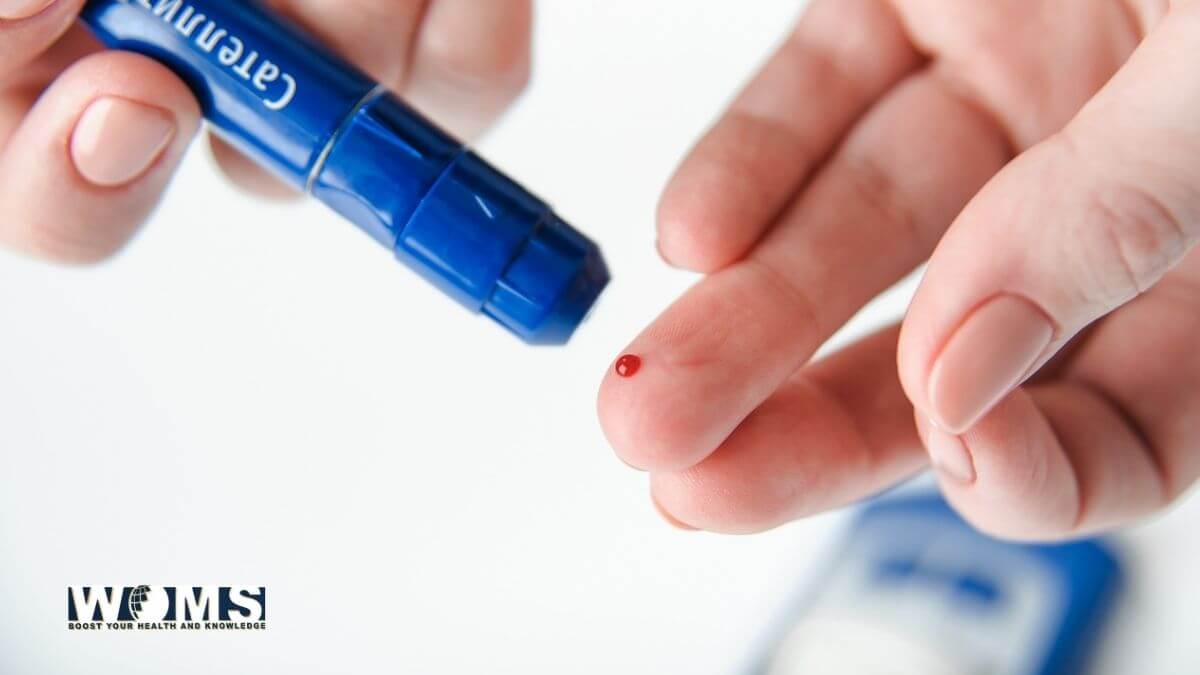
Diabetes is a devastating disorder, one that impacts tens of millions of people throughout the world and puts them at significant risk for a variety of medical complications and early death.
Thankfully, science has evolved a variety of tools and treatments that can help people with diabetes better manage their illness. One such example is a diabetes insulin pump.
About Insulin Pump Therapy
A diabetes insulin pump is essentially a small computer that sits clipped to your belt. It delivers insulin through a small, flexible plastic tube called a cannula, which is placed under the skin into the fatty tissue (usually of the abdomen) using a temporary needle. When paired with a Continuous Glucose Monitor (CGM) in an automated insulin delivery system, the pump can automatically adjust insulin doses based on real-time sugar readings.
While modern insulin pumps automate background insulin delivery (basal rates), they are not “set it and forget it” devices. Successful therapy requires regular maintenance, monitoring, carbohydrate counting, and troubleshooting.
However, it can make the life of a diabetic much easier by altering the amount of blood sugar they need to take on a regular basis.
Benefits of Insulin Pump Therapy
There are, unquestionably, a variety of benefits when it comes to insulin pump therapy. These include:
- The number of daily needle injections drops dramatically. Instead of taking multiple insulin shots every day, you only need to insert a new infusion set under your skin once every two to three days.
- While advanced smart pumps help calculate precise bolus doses, you will still need to input your carbohydrate intake and manually confirm doses before meals to keep your blood sugar stable.
- Because the process becomes so largely automated, you will dramatically limit the number of times in which your blood sugar dips to dangerous lows. Indeed, people who have an insulin pump report that their diabetes becomes much easier to manage as a result of the pump. This includes managing the “dawn phenomenon” in which many people have high sugar levels in the morning.
- Because the pump delivers a continuous, precise flow of insulin into the subcutaneous tissue, it mimics the body’s natural physiology much better than periodic manual injections. This helps keep your insulin levels more regular and in line with what your body needs.
- Exercise, and planning for exercise, are a breeze, and you can temporarily remove the pump in order to exercise appropriately.
- The pump works 24 hours a day, even while you sleep. This ensures that your blood sugar levels can be protected at all times, working just like your pancreas would be working if it functioned normally.
All of this can help keep you safer from diabetes, thus potentially reducing the instances of very serious diabetes complications, including heart, kidney, eye, and nerve problems.
Under the right set of circumstances, insulin pump therapy can be exceptionally helpful for people who suffer from diabetes. If this is something that you are interested in pursuing, you should speak with your doctor as soon as possible and see if a diabetes pump is right for you.