Why Consistent Health Monitoring Matters in Safety-Sensitive Occupations
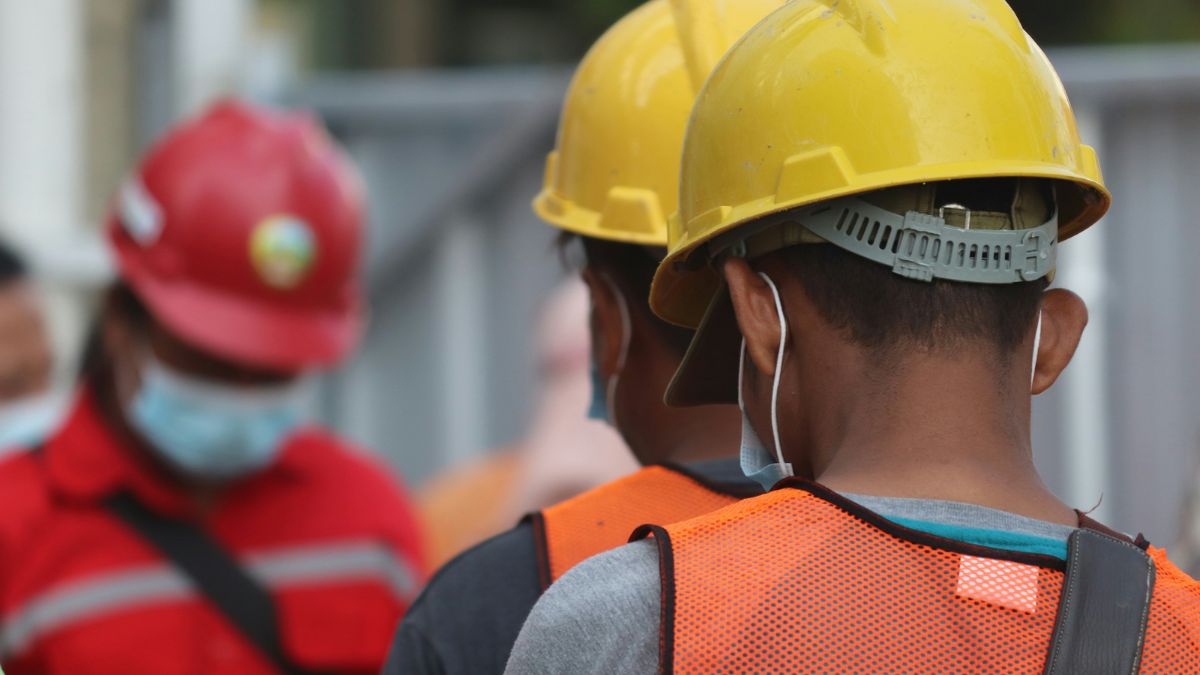
Employees in safety-sensitive occupations work in environments where a momentary lapse in attention or impaired judgment can lead to serious consequences. Industries such as transportation, construction, manufacturing, aviation, and healthcare depend on workers who can perform their duties safely and respond effectively to unexpected situations.
Regular health monitoring helps employers identify potential risks before they affect workplace safety. A consistent approach to employee health also supports early intervention, improves awareness of occupational hazards, and helps organizations maintain appropriate safety standards.
Instead of treating health assessments as a one-time requirement, employers can integrate them into broader workplace safety programs that address employees’ changing health needs.
Understanding Health Monitoring in Safety-Sensitive Jobs
Health monitoring involves assessing employees’ physical and, where appropriate, mental well-being to determine whether they can perform their assigned duties safely. Depending on the occupation, this process may include routine medical examinations, vision and hearing tests, blood pressure measurements, and respiratory assessments.
Some positions may also require substance use screening under applicable laws, industry regulations, and company policies. The specific assessments depend on the responsibilities involved and the risks associated with the work environment.
For example, commercial drivers may need vision and alertness evaluations. The government has taken many initiatives to ensure workers’ safety in such industries.
For instance, the Coal Workers’ Health Surveillance Program provides free, confidential screenings to detect black lung disease and other respiratory conditions. The program has reported 4,015 chest X-rays and 1,934 spirometry tests in fiscal year 2025.
A well-structured monitoring program accounts for these differences rather than applying the same testing schedule to every employee. This approach helps organizations focus their resources on relevant risks while supporting employee health and workplace safety.
Who should oversee an employee health monitoring program?
A qualified occupational health professional or appropriately trained healthcare provider can help develop and oversee the medical aspects of a monitoring program. Human resources personnel and workplace safety managers may coordinate scheduling, documentation, and policy implementation.
Identifying Potential Health Risks Early
One of the main benefits of regular health monitoring is identifying health concerns before they interfere with an employee’s ability to work safely. Some conditions develop gradually and may remain unnoticed until symptoms become more apparent. Periodic assessments can help identify warning signs that warrant further evaluation by a qualified healthcare professional.
For instance, firefighters across the US and worldwide have been exposed to per- and polyfluoroalkyl substances (PFAS). Many of them developed cancer and even filed lawsuits. A federal judge has ruled that more than 20 companies could face a lawsuit filed by firefighters in Connecticut.
Filed in June 2024 by 13 firefighter union organizations and 12 individual firefighters, the proposed class-action lawsuit seeks damages and medical monitoring. It is for those exposed to PFAS through turnout gear used to protect against extreme heat and flames.
Health monitoring also gives employees opportunities to discuss concerns that might otherwise go unreported. When organizations make these assessments accessible and communicate their purpose clearly, workers may feel more comfortable seeking guidance before a health issue affects their performance.
Implementing Drug Testing Solutions for Drugs and Supplements
Certain drugs, medications, and dietary supplements can affect alertness, coordination, and judgment, creating safety risks in occupations that require quick reactions and sound decision-making. Employers should establish clear screening policies that address substance-related risks while accounting for legitimate medication use and applicable regulations.
Workplace drug testing can help identify the presence of specific substances that may require further evaluation. DrugTestsInBulk (DTIB) is a supplier of affordable urine and saliva drug testing kits for businesses, employers, staffing agencies, and organizations managing workplace screening programs.
Companies looking to reduce employee drug testing costs can choose from a wide selection of rapid drug tests, including multiple panel configurations for pre-employment, random, and routine workplace screening.
DrugTestsInBulk offers competitive bulk pricing, volume discounts, and free shipping on qualifying orders within the continental U.S., making it a practical option for organizations seeking reliable, cost-effective employee drug screening solutions.
A well-managed screening program should also protect employee confidentiality and provide clear procedures for reviewing disputed or inconclusive results. Employers should distinguish between detecting a substance and evidence of workplace impairment, especially when prescription medications or supplements may be involved.
How should employers respond to an inconclusive workplace screening result?
Handle an inconclusive result according to the test manufacturer’s instructions, the applicable testing protocol, and relevant regulations. Depending on the circumstances, employers may consider a repeat test, confirmatory analysis, or evaluation by a qualified professional. Employers should avoid treating an inconclusive result as proof of impairment or a confirmed policy violation without following established review procedures.
Improving Employee Awareness and Preventive Care
Regular health assessments can help employees better understand how their personal health affects their work responsibilities. These evaluations may highlight concerns about fatigue, vision, hearing, respiratory health, or other factors that affect safe performance. Employees can then seek appropriate medical advice and take steps to manage identified concerns.
Many initiatives also focus on preventive care. The U.S. Senate Commerce, Science and Transportation Committee unanimously approved the Mental Health in Aviation Act of 2025 on April 14, 2026. Senators John Hoeven and Tammy Duckworth introduced it. The $15 million bill would direct the Federal Aviation Administration (FAA) to update its regulations so pilots can seek mental health care.
“For too long, many individuals who love to fly have struggled in silence, with untreated mental health conditions, for fear of losing their careers,” Duckworth said.
Employers should communicate that health monitoring supports safety and appropriate medical care, not punishment for reporting health concerns. Clear communication can encourage participation and help reduce the stigma associated with certain health conditions.
How can employers encourage employees to participate in health monitoring programs?
Employers can encourage participation by explaining the purpose of assessments, protecting confidentiality, offering convenient appointment options, and communicating how they will use findings. Providing access to qualified healthcare professionals and allowing employees to ask questions can also reduce uncertainty. Clear policies that distinguish health support from disciplinary procedures may help build confidence in the program.
Creating an Effective Health Monitoring Program
An effective program begins with a workplace risk assessment. Employers should identify role-specific hazards, determine which health evaluations are appropriate, and consult qualified professionals on testing frequency and follow-up procedures.
Organizations can strengthen their programs through several practical measures:
- Establish clear policies: Document which assessments are required, when they occur, and how results are handled.
- Use qualified healthcare providers: Ensure appropriately trained professionals perform medical evaluations and interpretations.
- Maintain accurate records: Track completed assessments and required follow-ups while protecting confidential information.
- Review workplace hazards: Use relevant findings to identify opportunities to improve protective equipment, procedures, or working conditions.
- Educate employees: Explain the purpose of monitoring, available support, and the steps involved in each assessment.
- Evaluate program effectiveness: Review participation, compliance, and safety indicators to identify areas for improvement.
Employers should also revisit their programs when job responsibilities change, new hazards emerge, or regulations are updated. Periodic reviews help ensure health monitoring stays aligned with actual workplace risks.
Key Statistics and Facts About Workplace Health Monitoring
| Coal Workers’ Health Surveillance Program | Provides free, confidential screenings for coal workers |
| Number of tests conducted by the program | 4,015 chest X-rays and 1,934 spirometry tests conducted in fiscal year 2025 |
| Plaintiffs of PFAS firefighter lawsuit in Connecticut | 13 firefighter union organizations and 12 individual firefighters |
| Mental Health in Aviation Act of 2025 | $15 million proposed funding |
| Senate committee approval | Unanimous approval on April 14, 2026 |
Consistent health monitoring plays an important role in protecting employees and maintaining safe operations in safety-sensitive occupations. Regular assessments can help identify potential health concerns, support preventive care, and guide decisions about workplace accommodations or additional medical evaluation. They also help employers maintain organized procedures for meeting applicable occupational health requirements.
The strongest programs combine appropriate medical assessments with employee education, confidentiality protections, hazard prevention, and clear follow-up procedures. When organizations treat health monitoring as an ongoing part of workplace safety, they can make better-informed decisions and support their workforce.