Rybelsus: What to Know About an Oral Option for Type 2 Diabetes
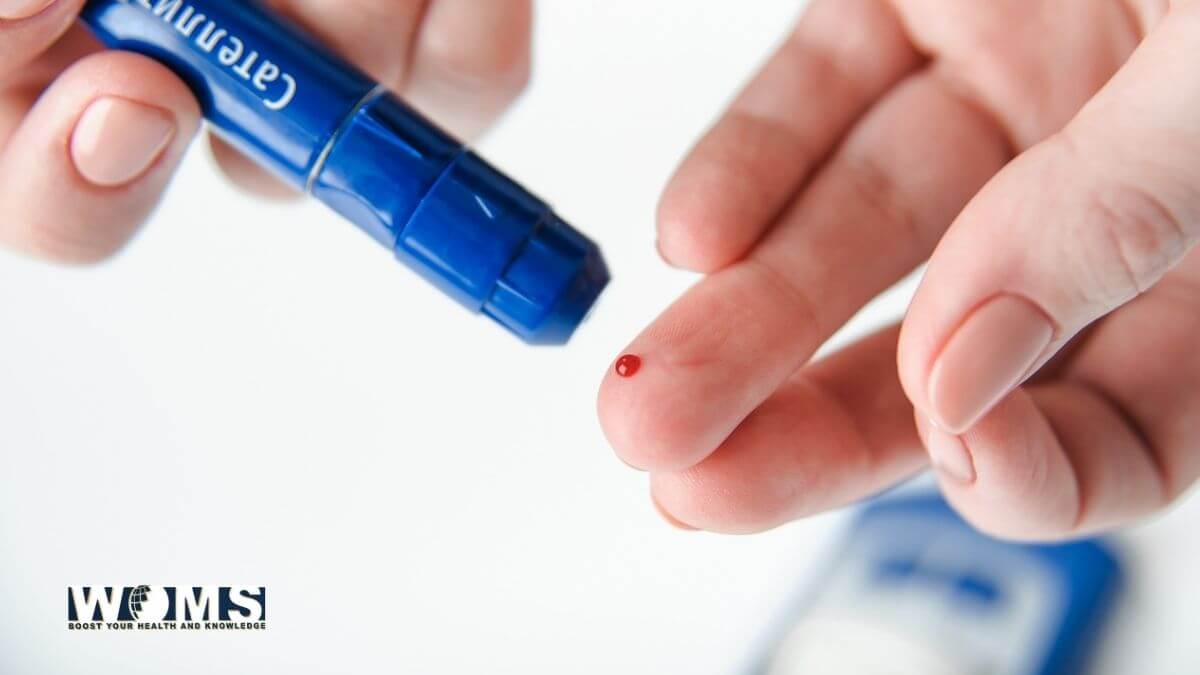
Managing type 2 diabetes can feel complicated and constant. Daily decisions about meals, movement, and monitoring add up. Rybelsus enters this landscape as an oral option some people discuss with their clinicians.
If you are exploring oral therapies, you can find a concise overview in this resource on Rybelsus oral semaglutide tablets , then use the points below to guide a balanced conversation with your healthcare team.
Type 2 Diabetes Basics and Everyday Impact
Type 2 diabetes develops when the body becomes resistant to insulin or makes too little. High blood sugar builds slowly and can cause fatigue, thirst, and frequent urination. Over time, uncontrolled glucose affects eyes, kidneys, nerves, and heart.
Daily routines matter. Regular meals, carbohydrate awareness, and movement help smooth glucose swings. Many people also track fasting and post-meal readings, plus hemoglobin A1C, which reflects average levels over about three months.
How Incretin-Based Therapies Work
Incretin hormones help regulate insulin release and appetite. Some medications mimic these signals to improve glucose control. They can slow stomach emptying, reduce post-meal spikes, and support weight management for certain individuals.
Rybelsus belongs to this group. It contains semaglutide in tablet form. Unlike injections, it is swallowed, but it still requires specific timing to be absorbed correctly. Your clinician can explain whether this approach makes sense alongside nutrition and activity plans.
Taking Oral Semaglutide: Practical Routines
Oral semaglutide has unique instructions to optimize absorption. Establish a repeatable morning routine. Consistency reduces missed doses and variability.
- Take the tablet first thing in the morning with a small amount of plain water.
- Avoid food, beverages, and other medications for at least 30 minutes afterward.
- Wait until you can eat a balanced breakfast with protein and fiber.
- Use reminders, pill cases, or a habit stack (pair with another morning task).
If you miss a dose, general guidance is to skip and take the next one as usual. Do not double up. Ask your healthcare professional for instructions tailored to your plan.
Benefits, Limitations, and What to Monitor
People may notice lower fasting and post-meal glucose, and sometimes weight changes. However, responses vary. Some individuals need additional medications to reach targets.
Common side effects include nausea, stomach discomfort, and decreased appetite, especially when starting or increasing the dose. These often ease over time. Eating smaller meals, choosing bland foods, and staying hydrated may help.
- Track fasting, pre-meal, and occasional post-meal readings.
- Review A1C every 3 months until stable, then per advice.
- Watch for notable gastrointestinal symptoms; escalate concerns promptly.
- Be alert for signs of low blood sugar if used with insulin or sulfonylureas.
Serious but less common risks exist with this drug class. Discuss your personal risk if you have a history of pancreatitis, gallbladder disease, or certain thyroid conditions. Bring up family history, other prescriptions, and over-the-counter supplements to check for interactions.
Nutrition, Weight, and Metabolic Health
Diabetes management is not only about medication. A structured eating pattern improves outcomes. Focus on vegetables, lean proteins, legumes, whole grains, and healthy fats. Limit sugary drinks and highly processed snacks that spike glucose.
Some people living with excess weight find that modest weight loss improves insulin sensitivity. Aiming for slow, steady progress is reasonable. Tracking portion sizes, reducing late-night eating, and planning protein-forward meals can make a measurable difference.
Physical Activity, Sleep, and Stress
Movement increases insulin sensitivity and supports heart health. Start with achievable goals. Short walks after meals often blunt glucose rises.
- Target at least 150 minutes of moderate activity weekly, if appropriate.
- Add resistance training 2–3 times weekly to preserve muscle.
- Break up long sitting periods with brief movement.
Sleep and stress also matter. Poor sleep can raise glucose and cravings. Establish a consistent bedtime, and reduce screens before sleep. Practice brief relaxation techniques to reduce stress-related spikes.
Fitting Oral Therapy Into a Broader Plan
Rybelsus may be considered when someone wants an oral option within the GLP-1 class. It can be used alongside metformin or other non-insulin agents, according to individualized plans. Shared decision-making helps weigh convenience, tolerability, and goals.
To understand the broader class and alternatives, review this guide to GLP-1 Agonists and discuss how each approach aligns with your history, preferences, and targets.
Everyday Safety Checklist
- Confirm your dose and timing, especially during changes.
- Note new or worsening abdominal pain; seek medical advice promptly.
- Hydrate well, particularly if nausea occurs.
- Keep a glucose log and share trends, not just single readings.
- Review hypoglycemia prevention if using agents that can lower sugar quickly.
- Revisit goals after 8–12 weeks to evaluate effectiveness and side effects.
Questions to Bring to Your Clinician
- What A1C and home glucose targets are realistic for me?
- How should I time this medication with my other morning pills?
- What side effects should prompt a call or visit?
- Could this interact with my current prescriptions or thyroid history?
- How will we adjust the plan if goals are not met?
Key Takeaways
Type 2 diabetes care is cumulative. Nutritional habits, activity, sleep, and stress management all support durable control. Oral incretin therapy adds another option for some people.
Rybelsus offers an oral GLP-1 pathway with specific dosing instructions. Consider benefits and drawbacks, monitor closely, and partner with your clinician. For additional education and product context curated for patients, visit CanadianInsulin .
Medical disclaimer: This content is for informational purposes only and is not a substitute for professional medical advice.