HS Skin Disease & How to Live with It
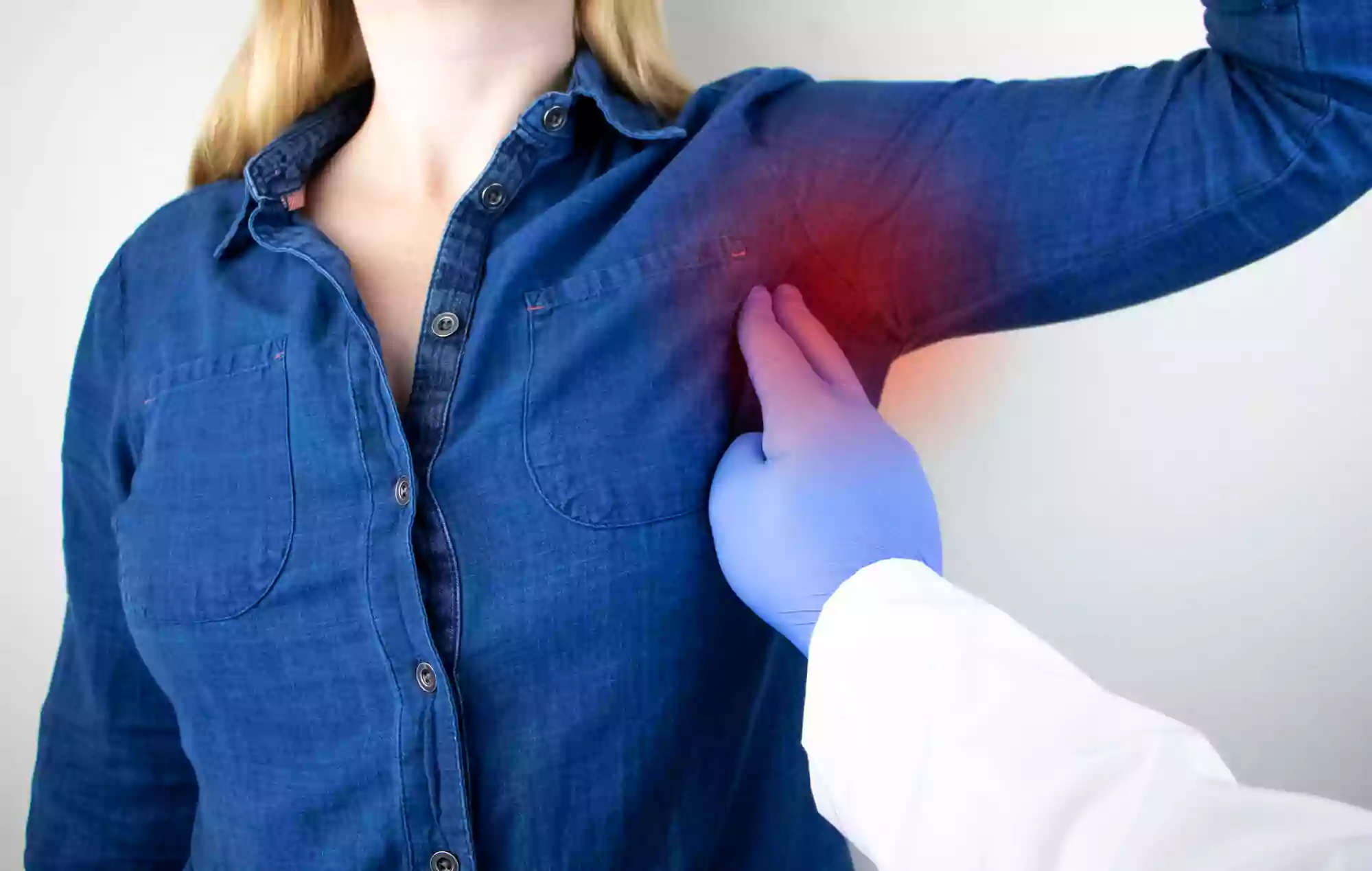
If you ever get lumps and bumps on your skin, and if they burst, drain and leave a scar, then this article is for you. Particularly if these lumps are located in your armpits, on your thighs, buttocks or groin. These are the areas most commonly affected by hidradenitis suppurativa, but it can occur almost anywhere on the body.
What is hidradenitis suppurativa (HS)?
Hidradenitis Suppurativa is a chronic skin condition that causes recurrent and painful nodules, boils, abscesses and lesions of the skin. These lesions are slow to heal and often leave a scar. It can cause tunnels to form under the skin.
Areas affected by HS
HS can occur on almost any area of the body, but most commonly affects the armpits, the buttocks, the thighs, groin, breast and genitals. It can also occur on the arms and legs, back and neck, head, face and behind the ears.
What causes HS?
The honest answer is that the cause is not fully known. There are several factors that may contribute to developing HS:
- Genetics – research indicates that one third of patients have a family history of HS
- Sex hormones – In women, HS symptoms can worsen around a woman’s period
- Immune system malfunction – this is the focus of a lot of research, and a lot of therapies are developed to interact with specific immune cells to reduce inflammation
- Follicular occlusion – This refers to the blockage of hair follicles. It triggers severe inflammation, leading to the rupture and destruction of the follicles. While this structural change is a hallmark of HS, the exact root cause of the initial blockage is still undergoing extensive research.
Symptoms of HS:
HS is typically categorised into 3 stages, called the Hurley Staging System. This system rates the severity of the condition, with each stage presenting distinct clinical features. Most HS lesions are painful, causing significant swelling, and frequently rupture to drain foul-smelling pus or blood.
Hurley Stage 1 – Typical symptoms include clusters of blackheads, pea-sized nodules under the skin, single painful abscesses or boils that drain and heal, usually leaving a scar.
Hurley Stage 2 – The nodules reoccur after they heal as well as developing new lesions, that are usually separated by healthy skin. Nodules may occur in other areas, and tunnels may form under the skin. The tunnels are called sinus tracks.
Hurley Stage 3 – Sinus tracks under the skin connect, and there are multiple lesions that with no healthy skin in between.
Other symptoms reported are fatigue, pain, reduced mobility and a high temperature.
HS can also impact your mental health and body image and in this article, we will discuss ways to make life a bit easier when managing HS.
Mental Health
HS can be very difficult to live with. It can be relentless and sometimes it can make us feel helpless, shame, depressed and anxious. There are different ways that we can manage our condition and our mental health.
Support
There is no shame in talking to someone about these feelings and telling your close friends or family when you are having a bad day can be a huge help. They can listen when needed and help when asked – don’t be afraid to ask for help.
If you are not comfortable talking to friends and family, there are lots of support groups online, and talking to other people with HS can be very helpful. Talking to people with the same condition as you can be a big benefit because you can share your experiences, and maybe even learn a few new tips. Other people with HS will understand exactly where you are coming from and are very happy to help.
If you’re experiencing any distressing feelings that are affecting your daily life, it might be time to talk to a professional. Again, there is no shame is seeking help for your mental health. We all need a bit of help sometimes, and a professional is trained to help us process these feelings and find perspective.
Stress Relief
Stress can be a trigger for HS and make symptoms worse, so managing stress in a healthy way can be a big benefit. Find what you do to relax and do more of it. Try yoga or meditation, there are plenty of courses available online. Or try an app to get started if you are not sure.
Physical Health
Food triggers
Some individuals with HS report that certain dietary changes can influence flare-ups, and emerging clinical research supports these observations. Foods like dairy and brewer’s yeast have been studied. When eliminated from the diet, HS symptoms can improve. Everybody is different, so it can take a while to figure out what your food triggers are, and in some cases, you might notice that you have no food triggers.
Clothing
Build yourself a wardrobe of clothes that are comfortable for you to wear. Choose breathable fabrics like cotton or modal, and try to pick clothing that reduces friction and chaffing. HS can limit the clothes we wear sometimes, but you can still be stylish and look good. A lot of people with HS wear dark clothing like black and navy, so try to brighten up your outfit with colourful accessories, or jackets, it might brighten up your day too!
Skin care
Some products can irritate the skin, and some can block pores and possible lead to more flare ups. If you notice a product is causing inflammation to your skin, stop using it. Look for natural products with no harsh chemicals, and if you can avoid using products at all, then do.
There are lots of great natural deodorants and cleansers available now, maybe try something new. If your dermatologist prescribes medical-grade cleansers like Chlorhexidine (Hibiscrub) or recommends diluted bleach baths, strictly follow their guidance. Always consult your doctor before applying any commercial moisturizers over open lesions or sinus tracts, as improper products can introduce infection or cause severe irritation.
Exercise
HS can limit our movement and prevent us from doing the things we love, especially our favourite sport or exercise. This doesn’t mean we should quit. We might just need to try something new. Even a short walk or some gentle stretches can be a benefit. There is always something you can do, so try something new!
Conclusion
While HS is a challenging and lifelong condition to manage, combining professional medical treatments—such as biologics, antibiotics, or surgical interventions—with proper mental and physical self-care can significantly improve your quality of life.