How Healthcare Laboratory Information Systems Ultimately Impact Patients
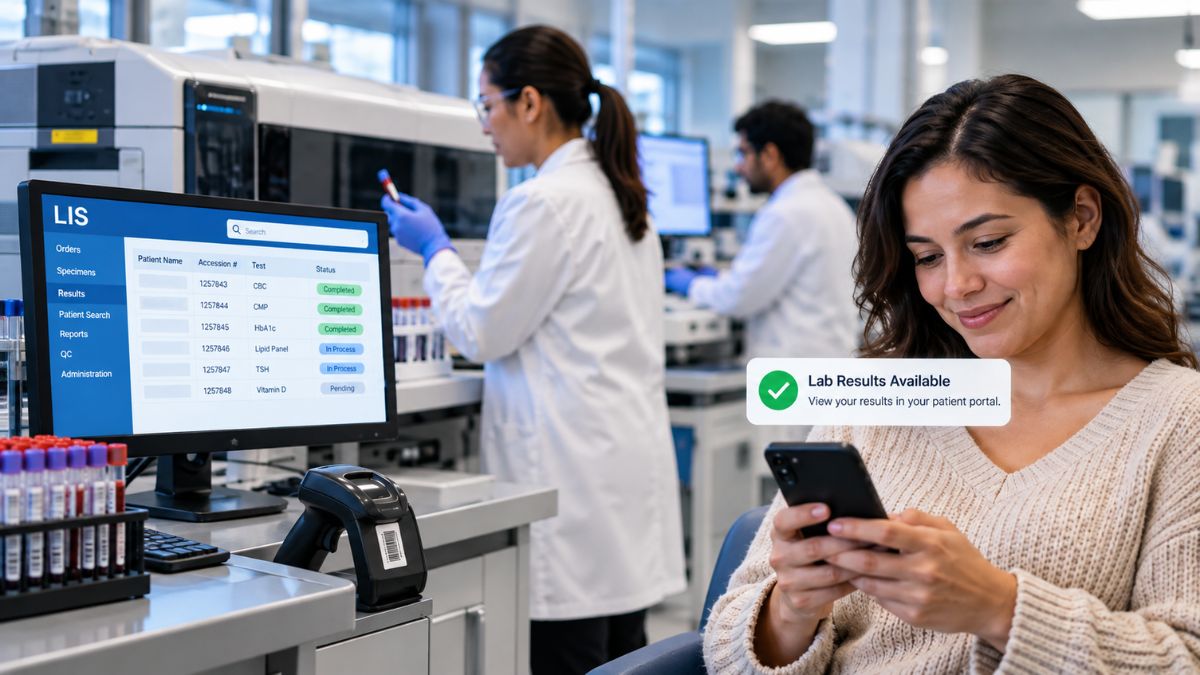
Most patients never think about what happens to their blood sample after the phlebotomist tapes a cotton ball to their arm. They wait a day or two, get a notification from their patient portal, and move on. Behind that simple experience sits a complex chain of steps, and at the center of it runs a piece of software most people have never heard of: the laboratory information system.
Lab testing influences a large share of medical decisions, from routine checkups to cancer diagnoses. That means the system managing those tests shapes patient care in ways that rarely get noticed. Here’s how a healthcare laboratory information system, or LIS, affects patients at every step.
Getting the Right Result to the Right Person
The most important job an LIS performs is also the one patients would least like to think about going wrong: making sure each result belongs to the right person.
Labs handle thousands of specimens a day, many of them in identical tubes. A single mislabeled sample can lead to a missed diagnosis, an unnecessary treatment, or a dangerous transfusion error. An LIS reduces that risk by assigning each specimen a unique identifier and barcode the moment it enters the lab. Staff scan that barcode at every step, so the system always knows where the sample sits and whose it is.
Barcode tracking also cuts down on manual data entry. Every time someone retypes a name, a date of birth, or a result, they create a chance for a mistake. When the LIS pulls orders directly from the electronic health record and pulls results directly from lab instruments, those opportunities for error shrink dramatically. Patients benefit from results they can trust.
Faster Answers When Time Matters
Waiting for test results can feel endless, especially when a patient fears bad news. In some situations, speed matters for more than peace of mind. It changes outcomes.
Think about a patient in the emergency department with chest pain, a newborn with signs of infection, or someone with symptoms of a stroke. Physicians need lab values quickly to decide on treatment. An LIS speeds the process by:
- Sending orders to the lab electronically the moment a provider places them
- Routing specimens to the right testing area without manual sorting
- Delivering worklists to instruments automatically
- Releasing verified results straight into the patient’s chart
- Letting staff monitor turnaround times and spot delays in real time
When a lab runs smoothly, physicians make decisions sooner, patients start treatment faster, and hospital stays can get shorter.
Catching Critical Values Before It’s Too Late
Some lab results demand immediate action. A dangerously high potassium level, a very low blood sugar, or a critical blood count can signal a life-threatening problem.
An LIS compares every result against reference ranges and critical thresholds the lab has defined. When a result crosses a critical line, the system flags it right away so lab staff can notify the care team. Many systems also track whether someone made that call, who received it, and when. That accountability helps ensure urgent results don’t sit unnoticed in a queue while a patient’s condition worsens.
The LIS can also run automatic checks that catch results that don’t make sense. If a patient’s value swings wildly from their previous result, the system can flag it for review. Sometimes that reveals a true change in the patient’s health. Other times, it catches a sample problem before a flawed result ever reaches the physician.
Fewer Repeat Draws and Lost Specimens
Few things frustrate patients more than hearing they need to come back because the lab lost their sample or couldn’t use it. Repeat draws cost time, add discomfort, and can delay care. For some patients, like young children, elderly patients with fragile veins, or people who traveled long distances, a redraw creates a real burden.
For tissue samples, the stakes run even higher. A biopsy often can’t be repeated easily, and losing one might mean another invasive procedure. An LIS tracks each specimen, block, and slide through processing, which helps labs keep irreplaceable samples safe and accounted for.
A Complete Picture of the Patient Over Time
A single lab value only tells part of the story. Physicians often need to see how a patient’s results have changed over months or years. Is kidney function slowly declining? Is a tumor marker rising? Is a medication keeping cholesterol in check?
An LIS stores results in a structured, searchable way and shares them with the electronic health record. That gives providers an accurate history they can review at a glance. For patients managing chronic conditions like diabetes, kidney disease, or cancer, that long-term view helps their care team adjust treatment with confidence.
Clearer, More Complete Pathology Reports
When a patient has a biopsy, the pathology report often determines their diagnosis and treatment plan. A pathologist examines the tissue and describes what they see, whether it’s cancerous, what type it is, and how aggressive it appears.
An anatomic pathology LIS helps pathologists produce reports that are complete and consistent. Many systems support synoptic reporting, which uses structured templates so the report includes every data point oncologists need, such as tumor size, margins, and grade. Missing information can delay treatment or lead to follow-up questions, so thorough reports help patients move forward faster.
Modern systems that support digital pathology add another benefit. Pathologists can share scanned slides with specialists at other institutions for second opinions without mailing glass slides across the country. For patients with rare or difficult diagnoses, that access to expertise can make a real difference.
Better Access for Patients in Rural Areas
Rural hospitals and clinics often struggle to recruit and keep pathologists and lab specialists. Cloud-based LIS platforms and digital pathology tools help close that gap. Pathologists can review cases and sign out reports remotely, which means patients in smaller communities can get timely results without traveling to a major medical center.
Lab networks can also run multiple locations on one system, so a small hospital lab can send specialized tests to a central lab and still receive results quickly and seamlessly.
Protecting Patient Privacy
Lab results contain some of the most sensitive information in a person’s medical record, from genetic test results to infectious disease screenings. Patients trust that this information stays private.
An LIS protects that data with user permissions, audit trails, and security controls that track who accessed each record and when. Labs must meet strict privacy requirements, and a well-designed system makes compliance part of the daily workflow instead of an afterthought.
Fewer Billing Surprises
Patients don’t usually connect lab software to their medical bills, but the two are closely linked. An LIS captures the codes and details needed to bill insurance correctly. When that information is accurate the first time, claims go through more smoothly and patients see fewer confusing bills, denials, or unexpected charges.
Supporting Public Health
Lab data also protects patients at the community level. When labs detect certain infectious diseases, they must report them to public health agencies. An LIS can automate much of that reporting, which helps health departments spot outbreaks sooner and respond faster. Every patient benefits when public health officials have accurate, timely information.
The Bottom Line
Patients may never see a healthcare laboratory information system, but they feel its impact every time they get a test. The right LIS helps ensure results belong to the correct patient, arrive quickly, flag urgent problems, and give physicians a complete picture to guide care. It protects sensitive data, reduces lost specimens and repeat draws, and extends expert care to communities that might otherwise go without it.
Behind every accurate diagnosis and timely treatment decision sits a lab that works efficiently and reliably. The laboratory information system makes that possible, and in the end, the people who benefit most are the patients.