Sunnyside Dentistry For Children: Helping Anxious Kids Enjoy the Dentist
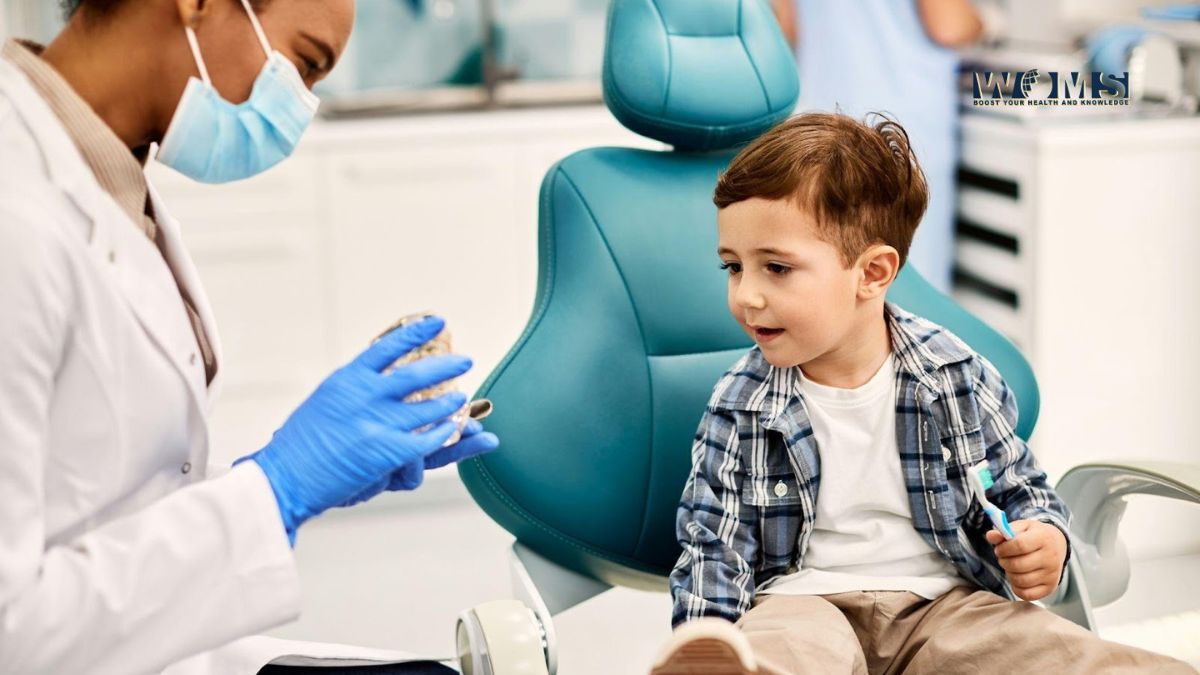
As Sunnyside Dentistry for Children knows all too well, taking your child to the dentist can be a challenging experience, especially when fear and anxiety come into play. Many children feel overwhelmed by the unfamiliar surroundings, and without the right support, this fear can grow over time. Helping kids develop a healthy relationship with dental care starts at home and continues through positive, supportive experiences in the clinic.
Parents play a key role by preparing children with honest conversations, choosing the right dentist, and offering comfort and encouragement during the visit. With consistency and patience, families can help children gain the confidence they need to face dental appointments with less fear.
Understanding Why Dental Visits Can Be Stressful for Kids
Many children feel uneasy about going to the dentist because it’s a new setting filled with unfamiliar sights and sounds. The sound of dental tools, the sight of a bright light overhead, or the feeling of lying in a dental chair can all trigger discomfort.
Some kids may show their stress by crying, clinging to a parent, or refusing to enter the exam room. Others might complain of stomachaches or headaches before the appointment. These reactions are often rooted in fear of pain or past negative experiences. Anxiety might also grow if the child has heard scary stories from siblings or friends, even if they haven’t had a bad dental visit themselves.
Preparing at Home for a Better Experience
Talking with your child in a calm, honest way about dental visits can reduce a lot of fear. Let them know what will happen in simple terms, without adding unnecessary details that might create more worry. Kids often do better when they feel prepared rather than surprised.
Reading picture books or watching short videos designed for young audiences can turn an unfamiliar visit into something a child recognizes. Some families even act out a pretend dental visit at home, using a stuffed animal and a toothbrush, which helps make the process feel more playful than scary.
Normalizing oral care as part of everyday life also sets a positive tone. When brushing and flossing are seen as routine, visits to the dentist feel like a natural extension of that habit rather than a stressful event. Over time, this consistency helps children view dental care as just another part of staying healthy, like eating vegetables or getting enough sleep.
Choosing the Right Dentist
Finding a dentist who knows how to work with anxious kids can make a big difference. Pediatric dentists often use gentle communication and child-friendly tools to help young patients feel more at ease. The office atmosphere also matters—spaces designed with bright colors, toys, or calming music can help a child feel more relaxed from the moment they walk in.
Parents can support their child by arriving early, so there’s time to settle in without feeling rushed. Some children benefit from bringing a favorite stuffed animal or wearing headphones with calming music.
Supporting Your Child During the Visit
During the appointment, staying close and offering reassurance can help your child feel more secure. Children often pick up on a parent’s mood, so showing confidence and a relaxed attitude can influence how they respond in the chair. If a parent appears anxious, the child may mirror that emotion.
Simple explanations using friendly language go a long way. Saying something like “The dentist is going to count your teeth now” can ease confusion and worries. Giving the child permission to take breaks or raise a hand if they need to pause allows them to feel more in control of the experience. Even small moments of praise can build trust. A quiet “You’re doing a great job” can boost a child’s confidence and help them stay calm throughout the visit.
Behavior Techniques That Make a Difference
Positive reinforcement works well when paired with encouragement. A sticker or getting to pick a favorite activity afterward can turn a stressful visit into something a child feels proud of handling. These small rewards recognize effort rather than perfection. Even recognizing small achievements like sitting still or opening their mouth can make a big impact.
Keeping a child’s attention focused elsewhere also helps. Some dentists use ceiling-mounted screens or let kids wear headphones with music or stories. Others might use playful language to guide the child through each step, turning it into a game rather than a procedure. This shift in focus helps reduce the child’s awareness of what’s actually happening, making it less intimidating.
Allowing the child some sense of control can be powerful. Letting them hold a small mirror to watch or use a hand signal to pause builds trust. Breathing together slowly or counting out loud can also help settle nerves in the moment. These small acts empower the child and can change their perception of the visit.
Encouraging Progress and Building Confidence
The more often a child visits the dentist, the more familiar and comfortable the experience becomes. Regular checkups help create a routine, making each visit feel less like an event and more like a normal part of life. Familiarity builds comfort, and comfort reduces fear.
Tracking small wins—like sitting in the chair without fuss or opening wide—can help kids see their own progress. Celebrating these moments reinforces that they’re getting braver over time. Over months or years, a once-fearful child can become one who walks into the dental office with little hesitation.