The Daily Shift Handover Checklist for a Domestic Caretaker at Home
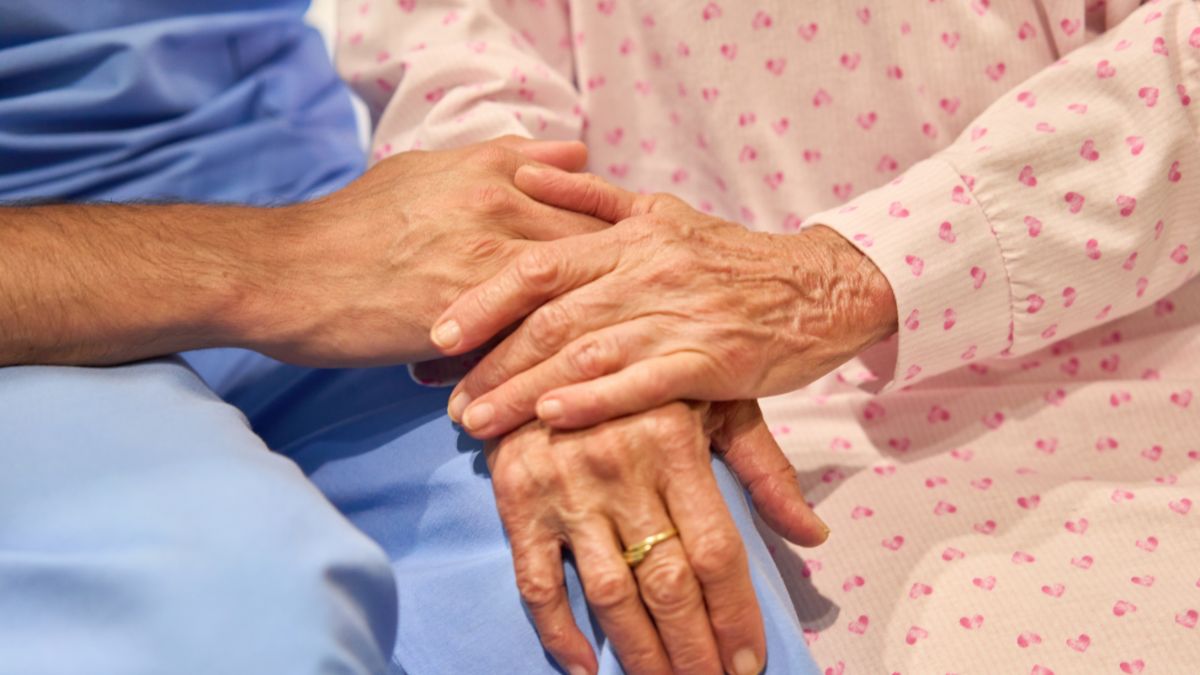
When someone needs daily care at home, whether it’s an elderly parent, a person recovering from illness, or someone with a long-term condition, there’s often more than one caretaker involved. Shifts change. People rotate. And in that gap between one caretaker leaving and another arriving, small but important details can slip through.
This is where a proper handover checklist comes in. It’s a simple habit, but it can make the difference between consistent care and confused, patchy care. Here’s what a good daily handover should actually cover.
Why Handover Communication Matters
A shift handover isn’t just a formality. It’s the moment where one caretaker passes on everything the next one needs to know. Missing this step, even by accident, can lead to a missed medicine, an unnoticed symptom, or a repeated mistake.
Families searching for reliable support often start by looking for “caretaker near me”, without realising that the quality of care depends just as much on how well caretakers communicate with each other as it does on their individual skills. A well-handled handover keeps everyone on the same page, no matter how many people are involved in the care routine.
Reviewing Medication and Health Updates
This is usually the most critical part of any handover. Medicines, timings, and dosages need to be passed on clearly, with no room for confusion.
A good handover should cover:
- Which medicines were given, and at what time
- Any missed doses, and why
- New symptoms noticed during the shift
- Changes in appetite, sleep, or energy levels
Even small changes, like slightly slower movement or a lower appetite, are worth mentioning. They often mean more than they seem.
Tracking Meals and Nutrition
Food intake tells its own story about how someone is doing. A caretaker should note down what was eaten, how much, and whether there were any difficulties, like trouble swallowing or a sudden dislike for a particular food.
This becomes especially important for patients with specific diets, such as those managing diabetes or recovering from surgery. A quick note on meals saves the next caretaker from repeating the same questions or making assumptions.
Mobility and Physical Assistance Notes
If the person being cared for needs help walking, sitting, or moving around, this needs to be part of the handover too. One shift might notice increased stiffness or difficulty getting up from a chair. The next caretaker should know this before starting their shift, not discover it halfway through an assisted walk.
A few useful points to pass on:
- How much support was needed during movement
- Any new pain or discomfort while walking
- Use of walking aids, if any
- Balance issues noticed during the day
Emotional and Behavioural Observations
Physical health isn’t the only thing that matters. Mood, alertness, and behaviour often say a lot about how someone is really doing. A person who seems unusually quiet, irritable, or confused might be dealing with something that needs attention.
This kind of observation is often the most overlooked part of care. This is exactly why families choose to have a caretaker at home rather than relying on occasional visits, since being present through the day allows these small emotional shifts to actually get noticed and passed along, instead of being missed entirely between visits.
Emergency Information and Contacts
Every handover should include a quick check of emergency basics. This isn’t just about having a phone nearby. It includes knowing which doctor to call, having medical history easily accessible, and confirming that emergency contact numbers are current and correctly saved.
A short checklist helps here:
- Emergency contact numbers updated and visible
- Doctor’s details easily accessible
- Any allergies or critical medical conditions noted
- Basic first-aid items available and not expired
Keeping a Written Handover Record
Verbal handovers are useful, but they’re easy to forget. A simple written log, even a few lines in a notebook, adds a layer of reliability that memory alone can’t offer.
This log should ideally include the date, time, key health updates, meals, and any behavioural notes from the shift. Over time, this record also helps doctors and family members spot patterns that might not be obvious day to day.
Building a Consistent Routine
A handover checklist only works if it’s followed consistently, shift after shift. It shouldn’t depend on how busy someone is or whether they remember. Setting a fixed format, even a basic one, makes it easier for every caretaker to follow the same process without missing anything important.
Over time, this consistency becomes the backbone of good home care. It reduces confusion, prevents repeated mistakes, and gives families peace of mind that nothing is falling through the cracks.