Breast Augmentation Recovery: Week-by-Week Healing Timeline
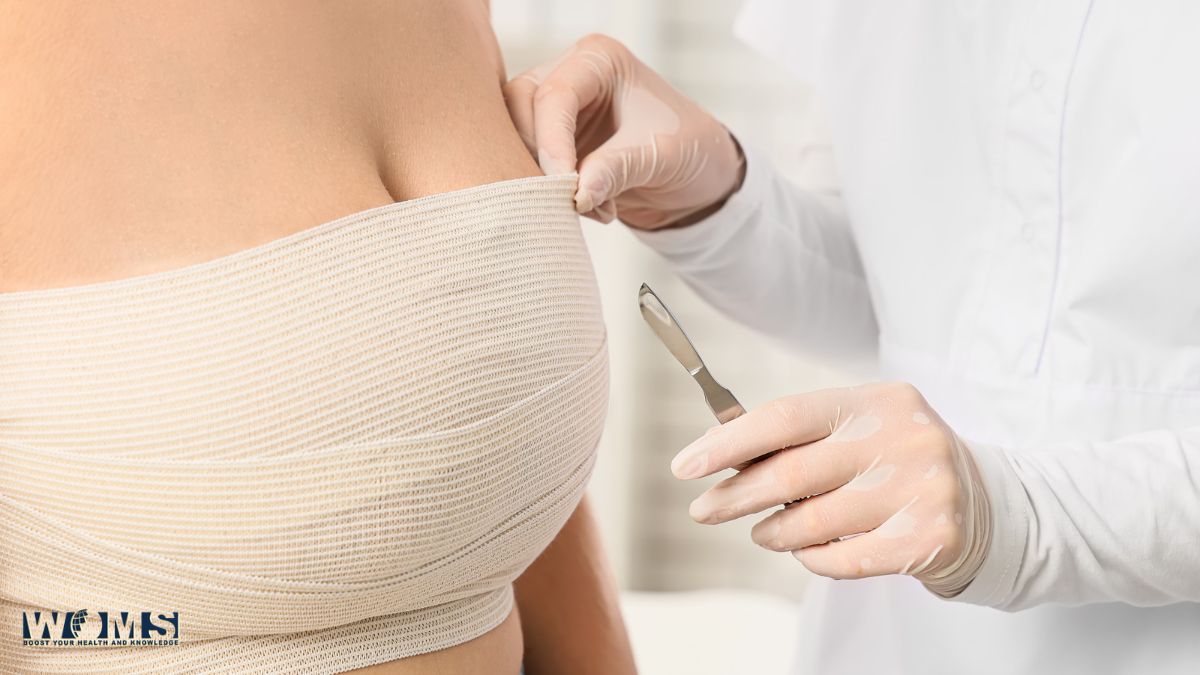
Breast augmentation is one of the most commonly performed cosmetic procedures in the United States, offering patients the opportunity to enhance breast volume, improve symmetry, and restore fullness lost through pregnancy, breastfeeding, weight loss, or aging. While selecting the appropriate implant is an important part of the process, understanding breast augmentation recovery is equally essential for achieving an excellent outcome.
Recovery is gradual, and every patient heals at a slightly different pace. Swelling, tightness, and temporary changes in breast appearance are expected during the early healing period. Following your surgeon’s postoperative instructions carefully helps minimize complications and allows the implants to settle into their final position. The following week-by-week timeline explains what most patients can expect after breast augmentation surgery.
Common Post-Operative Symptoms That Are Completely Normal
Breast augmentation is typically performed as an outpatient procedure under general anesthesia, allowing patients to return home the same day with a responsible adult. Immediately following surgery, you can expect:
- Mild to moderate soreness
- Chest tightness
- Swelling
- Bruising
- Temporary fatigue
- Pressure across the chest
Your breasts may initially appear higher on the chest than expected. This is completely normal. As swelling resolves and the tissues relax, the implants gradually settle into a more natural position. A surgical bra or supportive compression garment is usually worn to reduce swelling and support healing.
Recovery During the First Week
The first week focuses on rest and gentle activity. Common symptoms include mild discomfort from swelling, bruising, and tightness, as well as temporary changes in nipple sensation. Pain is generally well controlled with prescribed medications or over-the-counter medications recommended by your surgeon.
Although strenuous activity should be avoided, light walking is encouraged beginning the day of surgery. Walking improves circulation and reduces the risk of blood clots. However, patients should avoid lifting heavy objects and raising the arms repeatedly above shoulder level. Sleeping on the stomach and smoking or nicotine use are also not recommended. Most patients return to desk-based work within five to seven days, depending on the physical demands of their occupation.
Recovery During Weeks Two and Three
By the second and third weeks, discomfort has usually improved significantly. Many patients notice reduced swelling, less tightness, and improved mobility. Energy should have increased as the implant continues to settle. Although you may feel considerably better, internal healing continues.
Patients should continue following activity restrictions and avoid upper body strength training until cleared by their surgeon. Most daily activities can gradually resume during this period, provided they do not place excessive strain on the chest muscles.
One Month After Breast Augmentation
Around four weeks after surgery, many patients begin feeling much more like themselves. By this stage, most bruising has resolved, and your breasts should begin softening. Swelling will continue to improve, your incisions will continue healing, and the implant positioning will continue to improve and look more natural.
Many patients receive clearance to gradually resume more vigorous exercise, although high-impact activities and heavy chest workouts may still require additional healing time depending on implant placement and individual recovery. Routine follow-up visits allow your surgeon to monitor progress and answer any questions.
Two to Three Months After Surgery
Between two and three months, the breasts typically appear much more natural. This stage is commonly referred to as the drop and fluff process. Initially, implants sit high because the chest muscles and surrounding tissues are tight. As healing progresses, swelling decreases and breast tissue softens. This allows for the breast shape to become more natural, as the implants descend slightly and lower breast fullness develops.
Patients often become much more comfortable purchasing bras and clothing once this stage progresses. Final positioning varies depending on anatomy, implant size, and implant placement.
Six Months After Breast Augmentation
At approximately six months, most patients have achieved the majority of their final result. The breasts generally feel softer, more natural, less swollen, and better integrated with surrounding tissues. Incisions continue maturing and gradually fade over time, though scar remodeling may continue for up to one year or longer. Patients should continue protecting scars from excessive sun exposure to encourage optimal cosmetic healing.
Factors That Influence Recovery
Every patient’s recovery experience is unique, and there are several factors that affect healing speed.
Implant Placement
Recovery may be slightly longer when implants are placed beneath the pectoralis muscle because muscle manipulation contributes to temporary tightness and soreness. Implants placed above the muscle often involve less early discomfort. Your surgeon will recommend implant placement based on your anatomy rather than recovery alone.
Implant Size
Larger implants may create greater initial tissue stretching, resulting in temporary tightness during early healing. Selecting implants that complement your anatomy often contributes to a smoother recovery.
General Health
Healthy patients frequently heal more efficiently. Proper nutrition, hydration, adequate sleep, and avoiding nicotine all support tissue repair. Smoking significantly increases the risk of delayed healing and complications.
Following Postoperative Instructions
Carefully following your surgeon’s recommendations is one of the most important factors affecting recovery. Instructions may include wearing a surgical bra, sleeping on your back, and taking medications as directed. You should also limit physical activity and attend all scheduled follow-up appointments. Patients who closely follow these guidelines often experience smoother recoveries.
Common Questions During Recovery
When Can I Drive?
Most patients may resume driving once they are no longer taking prescription pain medication and can comfortably perform normal driving movements. This typically occurs within approximately one week.
When Can I Exercise?
Light walking should begin immediately after surgery. More strenuous exercise is usually introduced gradually after four to six weeks, depending on healing and your surgeon’s recommendations. Chest-focused strength training often requires additional recovery time.
When Will My Scars Fade?
Incisions initially appear pink or slightly raised. Scar appearance gradually improves throughout the first year. Sun protection, proper scar care, and patience all contribute to favorable scar maturation.
When Will My Breasts Look Natural?
Most patients notice significant improvement by two to three months. Final results continue developing over several additional months as swelling resolves completely, and implants settle into their permanent position.
Tips for a Smooth Recovery
Patients can optimize healing by following several simple recommendations, which begin with staying hydrated and eating a balanced, protein-rich diet. Walking several times each day is recommended, although strenuous lifting should be avoided. Other recommendations include avoiding nicotine products, wearing supportive garments as instructed, and attending all follow-up appointments. Small daily habits often contribute to excellent long-term results, but you should contact your surgeon if unexpected symptoms develop.
Schedule Your Breast Augmentation Consultation
Understanding the breast augmentation recovery timeline helps patients feel prepared and confident before surgery. During your consultation, your surgeon will explain what to expect during recovery, review postoperative instructions, discuss implant options, and answer any questions about healing and long-term results.
To view examples of patient outcomes, visit the breast augmentation gallery of your selected surgeon. When you are ready to begin your breast enhancement journey, schedule a consultation to receive a personalized treatment plan designed to provide beautiful, natural-looking results and a smooth recovery experience.