AI in Medical Manufacturing: Quiet Advances in Precision and Reliability
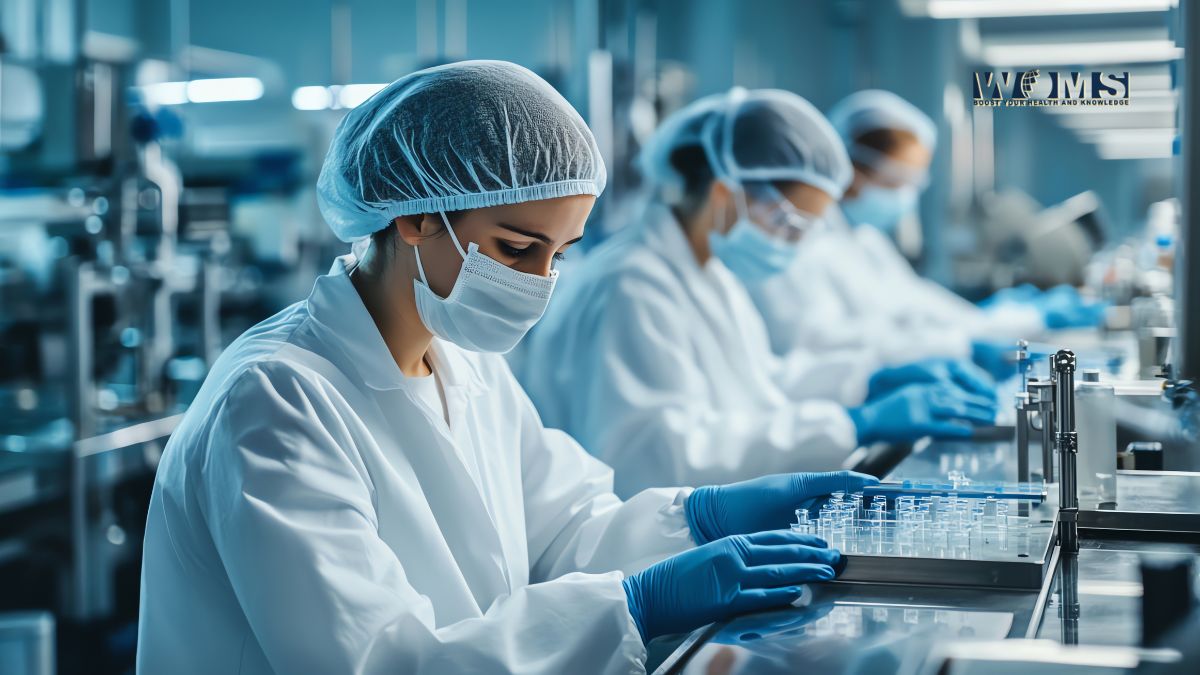
Artificial intelligence is steadily reshaping pharmaceutical manufacturing through incremental but meaningful change. Rather than a sudden transformation, its impact is unfolding behind the scenes. In an industry defined by exacting standards, consistency, and strict regulatory oversight, AI has become an essential part of modern production.
Across every stage of manufacturing, from formulation through packaging, variability is unavoidable. Raw materials may differ from batch to batch, environmental conditions must be carefully controlled, and human involvement introduces potential for error. AI helps manage these complexities by bringing greater predictability to systems that are inherently dynamic. It does not replace skilled professionals, but instead strengthens their ability to make informed decisions and maintain control.
Improving Operations Through Adaptive Intelligence
Unlike traditional automation, AI systems are designed to evolve. They do not rely solely on fixed instructions. Instead, they learn from data and improve over time. As machine learning models process new inputs, manufacturing environments become better equipped to respond to change and maintain stability.
This learning capability is especially valuable in process optimization and equipment maintenance. AI can recognize subtle performance changes that indicate wear or inefficiency and flag them early, allowing teams to intervene before failures occur. It can also adjust production parameters in real time when conditions move away from optimal ranges. These interventions help reduce downtime, improve consistency across batches, and limit material waste.
AI also contributes to stronger supply chain performance. By combining historical data with real-time signals, AI tools can anticipate shifts in demand, identify potential shortages, and support more informed logistics planning. Capabilities that once felt aspirational are now embedded in daily operations for manufacturers focused on long-term reliability.
Supporting Compliance While Enabling Progress
Pharmaceutical manufacturing exists at the intersection of innovation and regulation. While oversight is critical for safety, it can slow modernization if not managed carefully.
AI offers a practical way to align progress with compliance. Technologies such as natural language processing help teams interpret regulatory documentation more efficiently, while detailed data capture improves traceability throughout the production process. These tools make it easier to adopt new technologies without compromising regulatory confidence.
As AI continues to mature, its role within medical manufacturing will become increasingly integrated. The goal is not to follow trends, but to establish dependable systems that strengthen quality, consistency, and trust across the future of medicine.
For further insight into how AI is influencing pharmaceutical manufacturing standards, refer to the accompanying visual resource from Advanced Technology Services, provider of outsourced maintenance services.