Mark Bouzyk on How Digital Health Is Expanding Access to Care
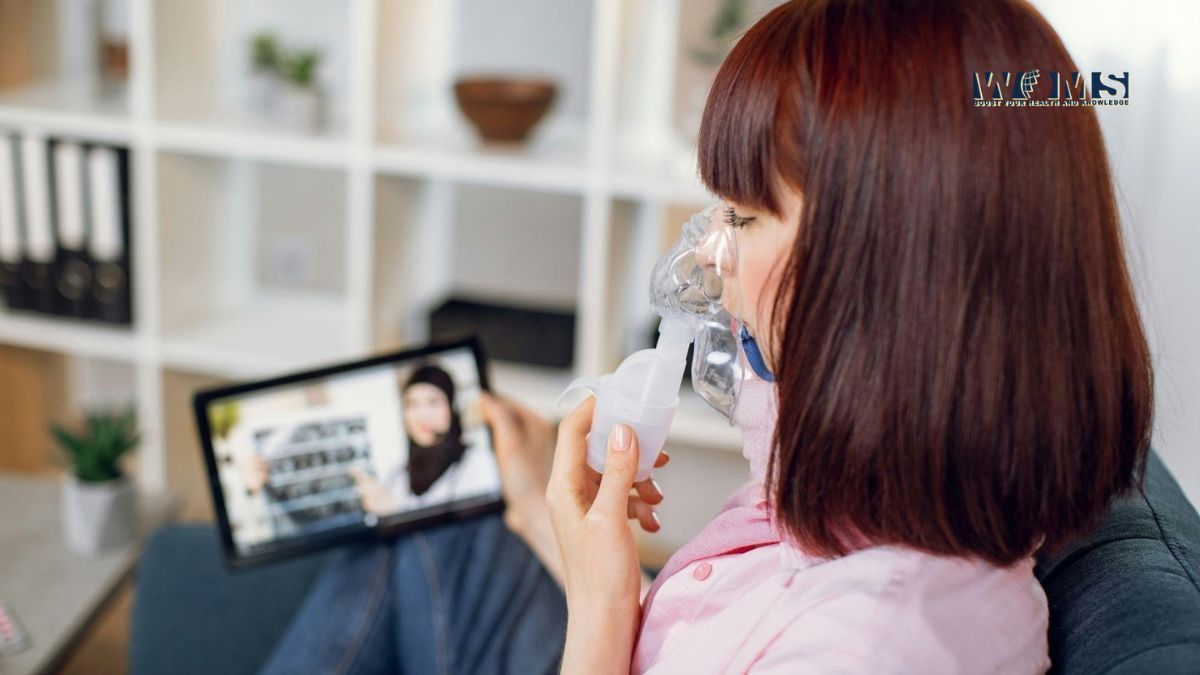
Digital health has rapidly become a powerful force, reshaping how medical care is provided and experienced worldwide. By combining innovative technologies with healthcare practices, digital health breaks down traditional boundaries, making it possible for patients and providers to connect and collaborate regardless of geography.
As a result, access to high-quality care is no longer limited by physical location or local resources, and patients in remote communities can benefit from the expertise of top specialists. As detailed by Mark Bouzyk, the secure exchange of health data between countries further enhances patient safety and care continuity, while emerging technologies such as artificial intelligence and wearable devices are opening new possibilities for diagnostics and treatment.
The Global Reach of Digital Health
Digital health combines technology with healthcare, using tools such as telemedicine, electronic health records, and mobile apps to improve patient care. These innovations break down traditional barriers by allowing medical professionals and patients to connect regardless of their physical locations. A patient in a rural area can now consult with a specialist in another country through secure video calls, showing how care can extend far beyond local borders.
Improving Access to Care
Digital health has transformed how patients seek and receive medical advice, no matter where they are. Through telehealth platforms, individuals can now connect with healthcare providers in other countries, bypassing long travel times and local shortages of specialists. Someone living in a remote village can access world-class expertise with just a smartphone and an internet connection. This expansion of services is especially valuable during emergencies or when access to specific treatments is limited in a patient’s home country.
Facilitating Secure Health Data Exchange Across Countries
Efficient and safe exchange of health data is a cornerstone of successful cross-border care. Interoperable electronic health record systems enable doctors in different nations to view a patient’s medical history, ensuring continuity of care even when treatment spans multiple locations.
Projects such as the European Health Data Space are paving the way for seamless and secure data sharing, helping to protect patient privacy while supporting high-quality international healthcare collaborations. Additionally, cloud-based health information networks are being adopted globally, enabling rapid access to vital records during emergencies or when patients travel abroad.
Shifting Toward Standardized Digital Health Practices
Unified standards play a vital role in making digital health accessible and effective across borders. When healthcare systems share common protocols for data handling, communication, and security, it becomes much easier for providers and patients to interact internationally. The adoption of internationally recognized coding systems and secure communication platforms enables a smooth transition of care from one country to another, improving patient outcomes and reducing administrative burdens.
Overcoming Barriers in Cross-Border Digital Health
While digital health offers tremendous promise, it faces significant hurdles, including varying regulations, privacy concerns, and technological disparities across countries. Navigating these obstacles often requires collaboration among governments, healthcare organizations, and technology providers.
Some regions have addressed these issues by establishing bilateral agreements or regional frameworks that harmonize data protection laws and streamline licensing for healthcare professionals, making international care delivery more feasible. In addition, ongoing dialogue among stakeholders helps identify new challenges as they arise and supports the development of innovative solutions tailored to diverse healthcare environments.
Emerging Trends and the Future of Global Digital Health
Cutting-edge innovations like artificial intelligence and blockchain are reshaping global healthcare by enabling faster diagnostics and secure record-keeping. Wearable devices and remote monitoring tools are also gaining traction, allowing patients to share real-time health updates with providers anywhere in the world. As these trends continue, they promise to further expand access to care and foster a more connected, equitable health terrain.