Nutrition and Gut Health in Healing the Addicted Brain
Recovery from addiction is often seen as a mental and emotional journey—but it’s also deeply physical. What we eat plays a powerful role in how we heal, especially when it comes to brain function, mood, and cravings. In recent years, research has highlighted a key player in this process: gut health.
Your gut and brain are closely connected. In fact, scientists often call the gut the “second brain.” When it comes to addiction recovery, understanding how nutrition and gut health support brain healing can make a real difference.
In this article, we’ll explore how a healthy diet, gut-friendly foods, and mindful eating habits help repair the addicted brain—and support long-term sobriety.
The Link Between Addiction and Nutrition
Substance abuse takes a major toll on the body. Many people in active addiction suffer from poor nutrition due to skipped meals, unhealthy food choices, or malabsorption caused by drugs and alcohol.
Common nutritional deficiencies in addiction include:
- B vitamins (important for brain health and energy)
- Magnesium and zinc (vital for mood and nervous system balance)
- Amino acids (the building blocks of neurotransmitters like dopamine and serotonin)
- Essential fatty acids (needed for brain cell repair)
A 2017 study published in Nutrients found that individuals with substance use disorders had significantly lower levels of key vitamins and minerals, contributing to fatigue, irritability, anxiety, and poor cognitive function 1.
When the brain doesn’t get the nutrients it needs, it’s harder to think clearly, regulate emotions, or manage cravings—all key factors in recovery.
The Gut-Brain Connection
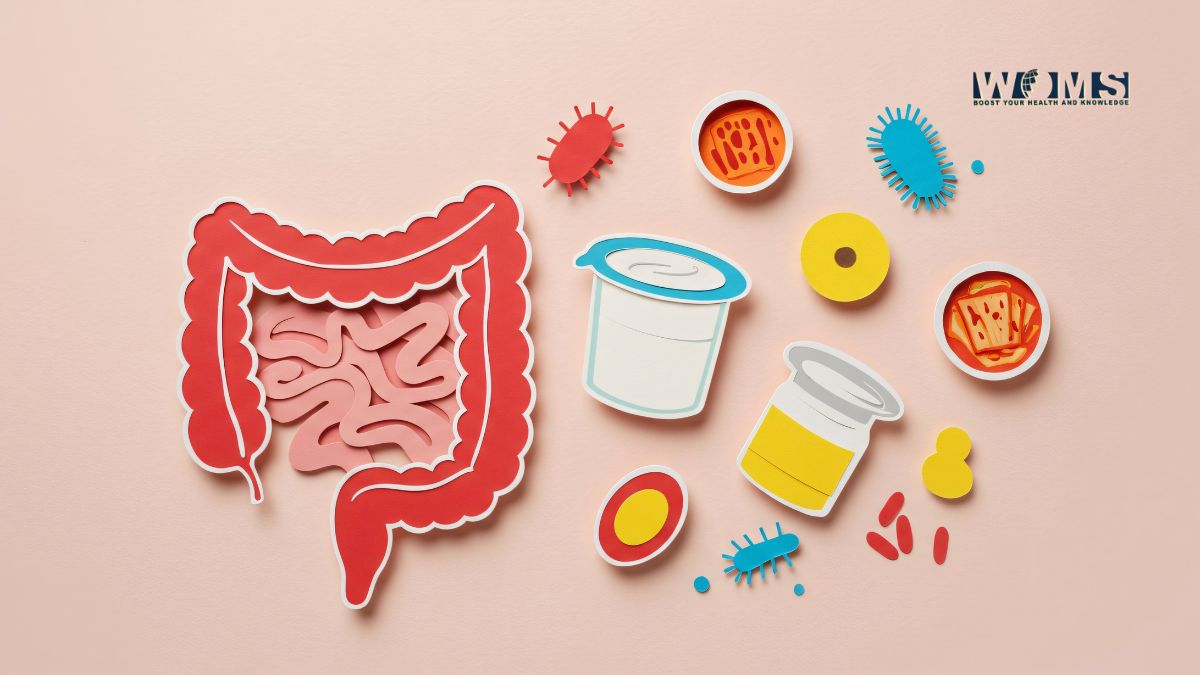
The gut and brain communicate constantly through a network called the gut-brain axis. This system includes the vagus nerve, hormones, and immune cells that pass messages between your digestive tract and your central nervous system.
What’s fascinating is that the gut produces nearly 95% of the body’s serotonin, a neurotransmitter that affects mood, sleep, and well-being 2. This means that the health of your gut has a direct impact on how you feel emotionally and mentally.
When someone struggles with addiction, their gut health often suffers too. Substances like alcohol, opioids, and stimulants can damage the gut lining, disrupt digestion, and throw off the balance of good bacteria—also known as the gut microbiome.
How Gut Health Impacts Recovery
1. Supports Mood Stability
Many people in recovery experience mood swings, anxiety, or depression. A healthy gut helps regulate neurotransmitters like serotonin and GABA, which play key roles in emotional balance.
A 2020 review in Frontiers in Psychiatry found that probiotics and gut-friendly diets significantly reduced symptoms of anxiety and depression by improving gut microbiota 3.
When the gut is balanced, the brain receives better signals—and emotional stability becomes more achievable.
2. Reduces Cravings
Cravings often stem from emotional triggers, stress, or blood sugar imbalances. Poor nutrition and an inflamed gut can intensify those cravings.
A diet high in sugar and processed foods causes energy crashes, which can make cravings feel stronger. On the other hand, balanced meals with protein, fiber, and healthy fats help keep blood sugar stable and reduce the urge to reach for substances.
Gut health also affects dopamine production. The amino acid tyrosine, found in protein-rich foods, is needed to produce dopamine—one of the brain’s “reward” chemicals that’s often depleted after addiction.
3. Boosts Cognitive Function
In early recovery, many people experience brain fog, memory issues, or poor focus. Nutrition plays a major role in brain repair and cognitive function.
Omega-3 fatty acids, found in fatty fish, walnuts, and flaxseeds, help reduce inflammation in the brain and support memory. Antioxidants in fruits and vegetables protect brain cells from damage.
A healthy gut also supports neuroplasticity—the brain’s ability to heal and rewire itself over time.
Nutritional Tips to Support Gut and Brain Healing
Here’s how you can start improving your gut health and nutrition in recovery:
1. Eat Whole, Nutrient-Rich Foods
Focus on:
- Fresh vegetables and fruits
- Lean proteins like chicken, fish, legumes, and eggs
- Whole grains like oats, brown rice, and quinoa
- Healthy fats from olive oil, avocados, and nuts
- Fermented foods like yogurt, kimchi, sauerkraut, and kefir
These foods nourish the gut, feed beneficial bacteria, and support brain repair.
2. Include Probiotics and Prebiotics
- Probiotics are live bacteria that help balance your gut microbiome. You can find them in supplements or fermented foods.
- Prebiotics are fibers that feed the good bacteria. They’re found in foods like garlic, onions, asparagus, bananas, and whole grains.
Together, these support gut healing and emotional regulation.
3. Stay Hydrated
Water is essential for digestion, detoxification, and brain function. Dehydration can cause fatigue, irritability, and brain fog—especially in early recovery.
Aim for 6–8 glasses of water a day, and consider herbal teas like ginger or peppermint to soothe the digestive system.
4. Limit Processed Foods and Sugar
Highly processed foods can worsen gut inflammation and increase cravings. Try to avoid:
- Sugary snacks
- Fried foods
- Artificial sweeteners
- Soda and energy drinks
Choose whole, natural foods whenever possible. Your gut and brain will thank you.
Real-Life Impact: Healing Through Food
Amy, a 31-year-old in recovery from opioid addiction, shared how nutrition changed her journey:
“In rehab, I learned how much my diet was affecting my mood. I started eating real meals, taking probiotics, and cutting out sugar. Within a few weeks, I felt clearer, calmer, and more in control. It didn’t fix everything, but it gave me a foundation I never had before.”
Her story highlights how simple changes in food can bring deep shifts in emotional and mental well-being.
Final Thoughts: Feed the Brain, Heal the Mind
Addiction affects the whole body—and recovery must do the same. Nutrition and gut health play a powerful role in healing the addicted brain. They help reduce cravings, balance emotions, and rebuild mental clarity.
You don’t need to be perfect. You just need to start small—maybe by drinking more water, adding a vegetable to your plate, or trying a probiotic-rich food.
Every nourishing choice you make helps your body and brain heal.
Because recovery isn’t just about what you leave behind—it’s about what you feed, grow, and become.
Sources
- De Timary, P., et al. (2017). Nutritional deficiencies in addiction. Nutrients. ↩
- Carabotti, M., et al. (2015). The gut-brain axis: Interactions between enteric microbiota and brain. Annals of Gastroenterology. ↩
- Rea, K., et al. (2020). Gut microbiota’s role in anxiety and depression. Frontiers in Psychiatry. ↩